

Dolphins in Peril in the Gulf of Mexico
WDC and SAVE THE BLUE Announce Partnership and Dolphin Protection Campaign
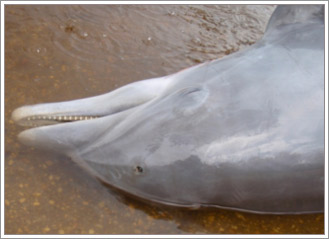 Whale and Dolphin Conservation (WDC) and SAVE THE BLUE have joined forces to fight for the protection and recovery of dolphins in the Gulf of Mexico! Dolphins in the Gulf are being assaulted by a variety of threats, ranging from an ongoing unusual mortality event (UME) in which hundreds of dolphins have died during the past few years to unknown numbers struggling to recover from the ecosystem of the BP Deepwater Horizon oil spill. In addition, harassment and vandalism against dolphins continues to occur in the region, where dolphins are being deliberately targeted and killed, and detrimental interactions with recreational and commercial fisheries is intensifying.
As an example, a bottlenose dolphin was found fatally stabbed with a screwdriver to its head in Perdido Bay, Alabama and investigations are ongoing after two dolphins were more recently shot dead in Louisiana and Mississippi. In addition, the National Marine Fisheries Service (NMFS) declared an ongoing UME in the northern Gulf of Mexico from February 2010 through the present. According to preliminary data from NMFS, as of January 27th, there were over 800 dolphin strandings in the Northern Gulf of Mexico. These numbers are at historically unprecedented levels.
To initiate its Dolphin Protection campaign in the Gulf, WDC and SAVE THE BLUE are establishing an Enforcement Fund to support law enforcements efforts to investigate and prosecute violations of the Marine Mammal Protection Act in the Gulf. To see more about our efforts to protect dolphins in the Gulf and elsewhere, visit please read the following document. (SAVETHEBLUE&WDC.pdf)